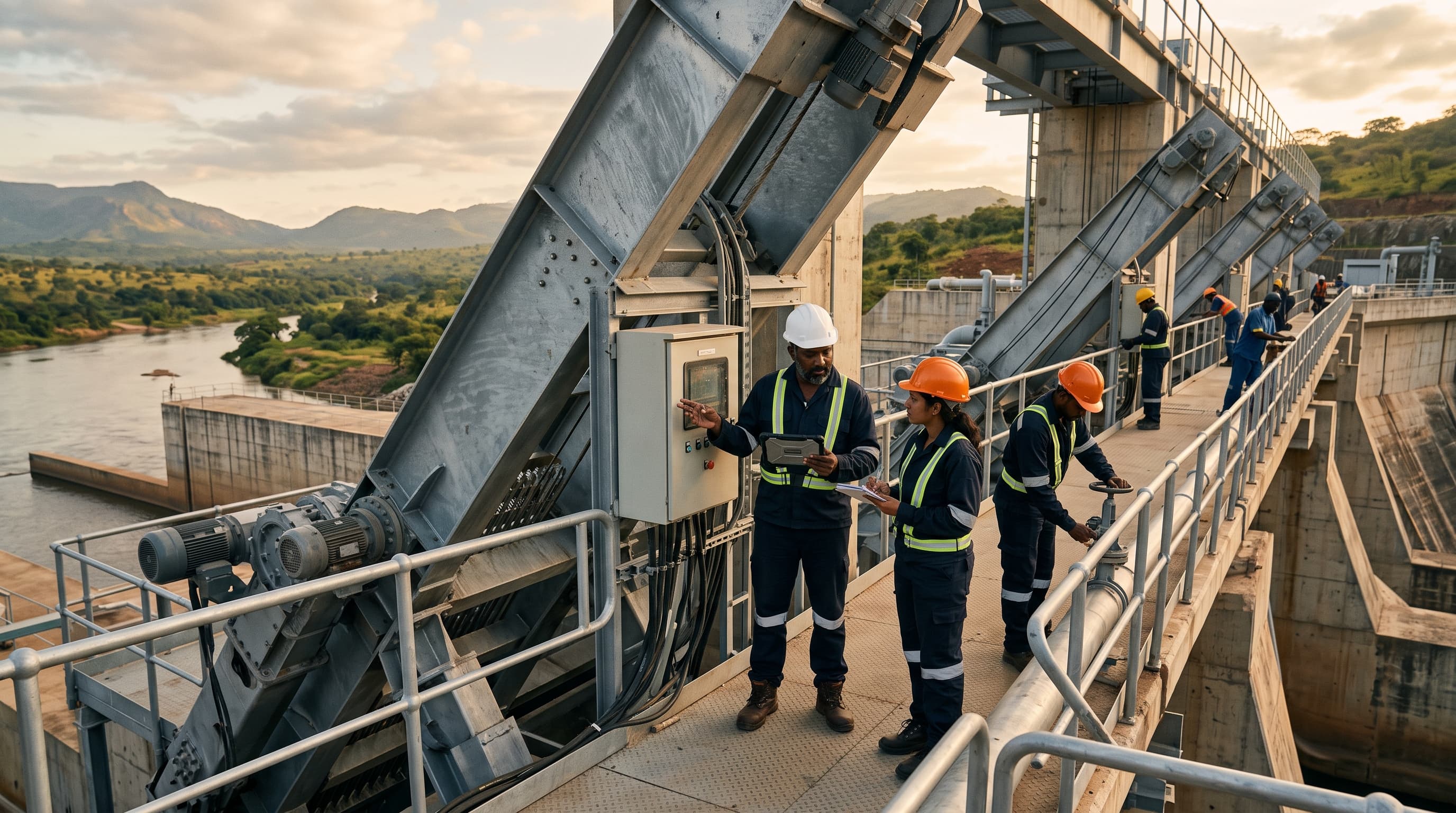
Step [01]01 / 07
Research
Understand the requirement, intended application, and key design considerations to establish a clear foundation for development.

Product Development · Reverse Engineering · Powder Coating
Every great product begins with a requirement. Turning that requirement into a manufacturable, reliable solution takes engineering knowledge, practical design, and the right production capabilities.
Through product development, reverse engineering, metal fabrication and powder coating, we help turn a new idea, an existing component or a required finish into something ready to manufacture.
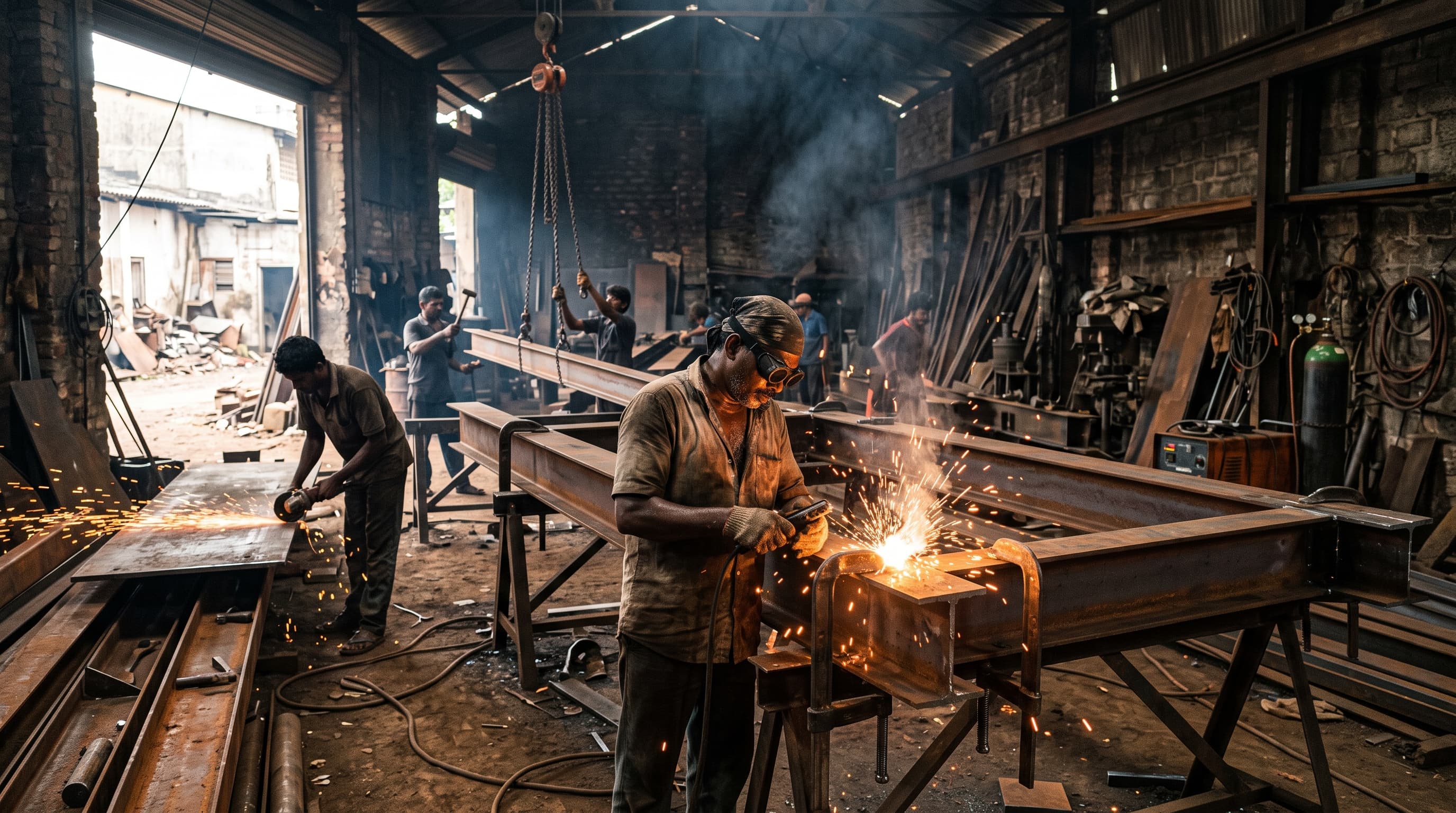
01From Idea to Reality
A promising idea becomes a successful product when it can be designed, manufactured, tested, and produced consistently.
New Product Development turns concepts into practical solutions, keeping design intent, manufacturability, performance and production in view so ideas are ready to make.
Step [01]01 / 07
Understand the requirement, intended application, and key design considerations to establish a clear foundation for development.
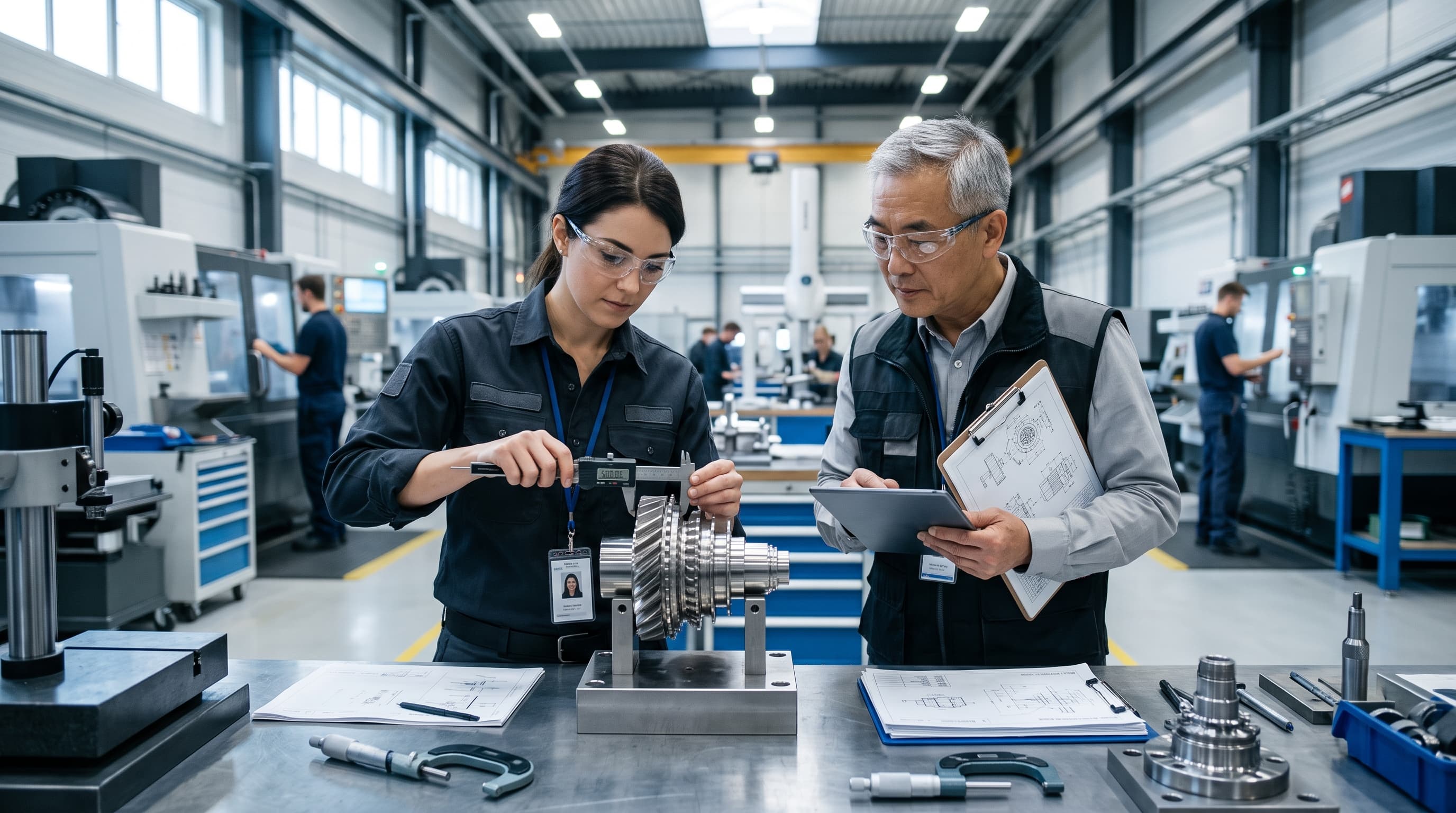
Step [02]02 / 07
Translate concepts and specifications into three-dimensional models of geometry, dimensions and component relationships.
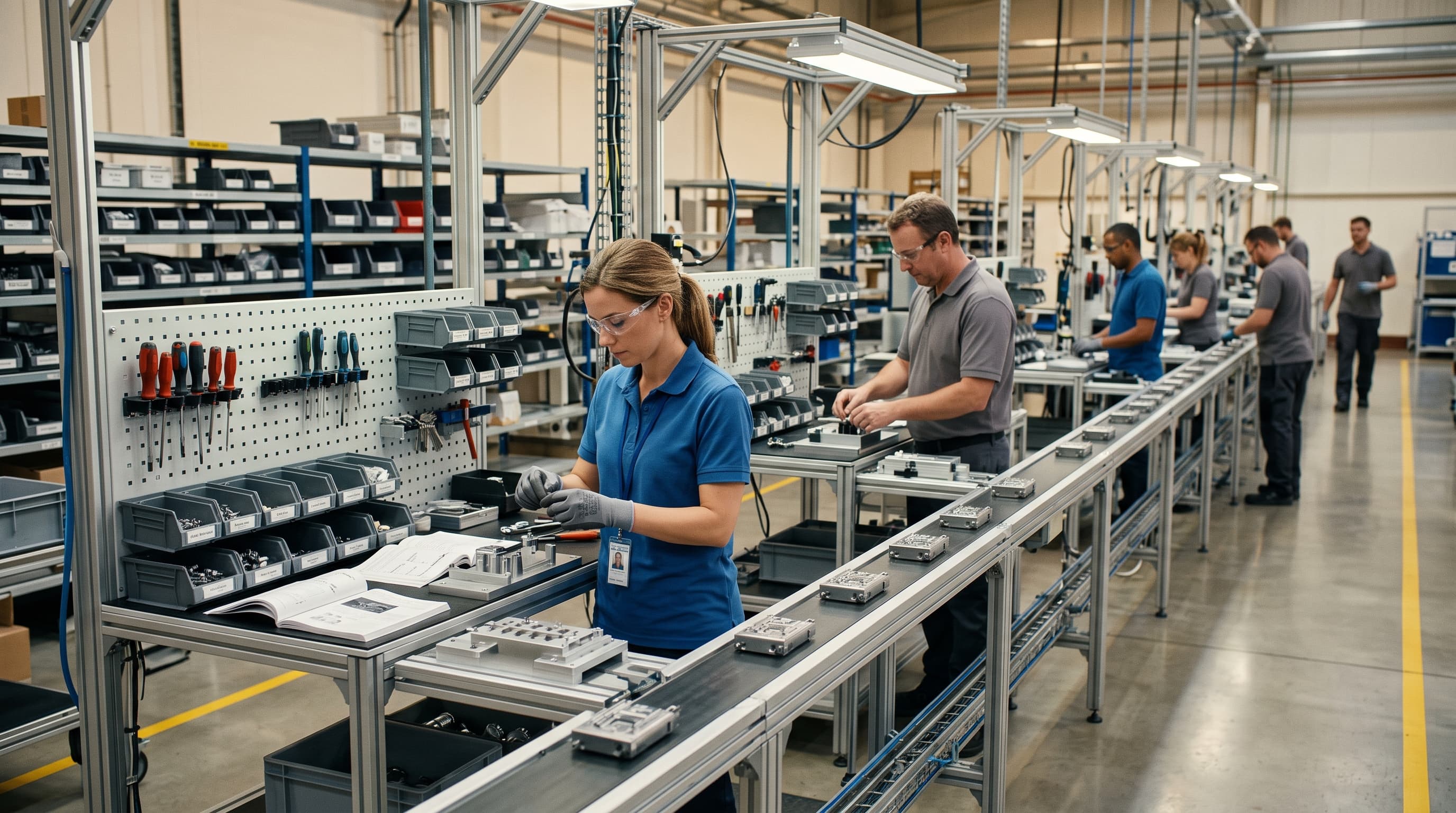
Step [03]03 / 07
Evaluate designs for manufacturing and assembly, to simplify production and support efficient assembly.
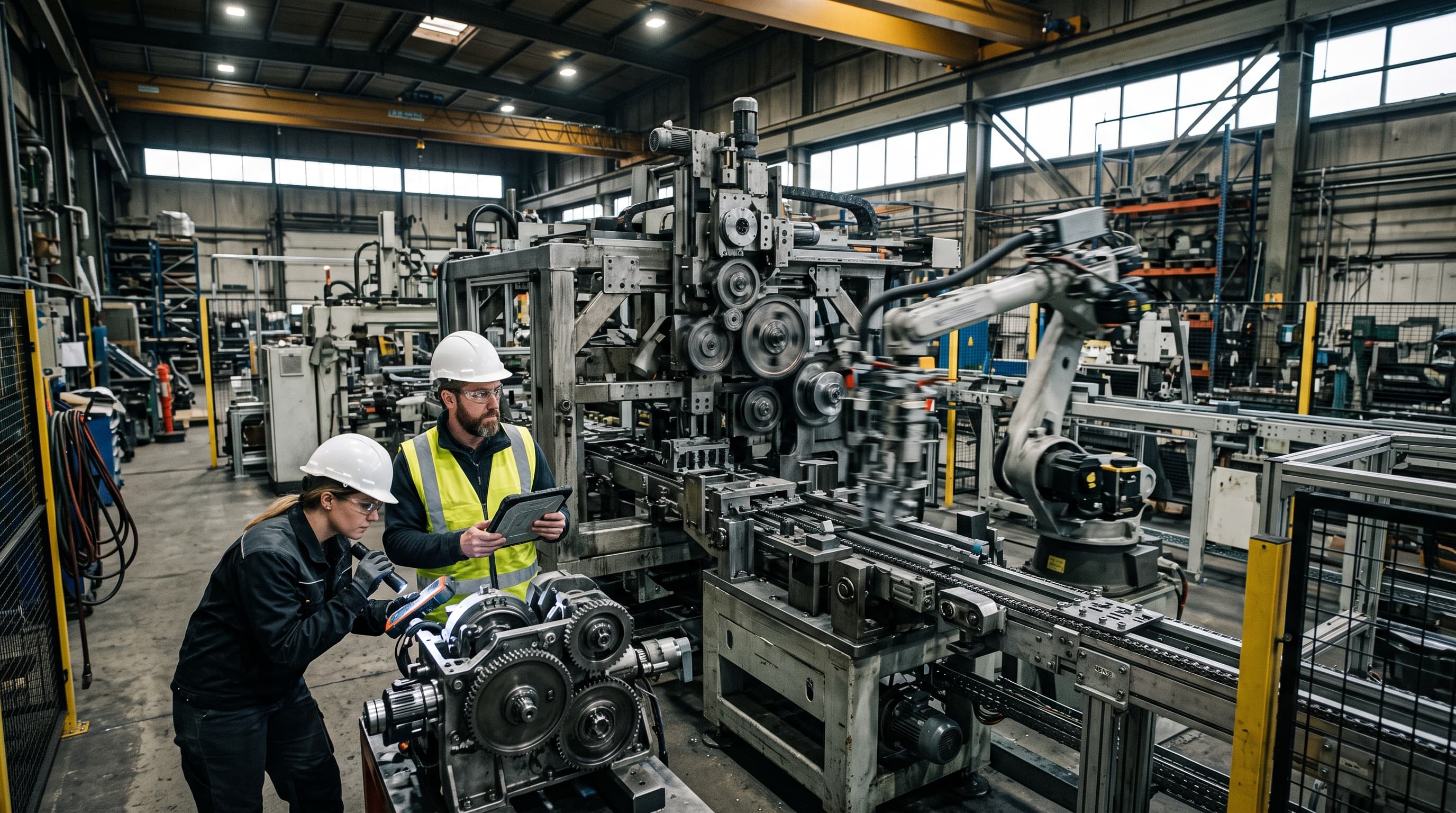
Step [04]04 / 07
Use simulation, where applicable, to assess design behaviour and find issues before physical production.
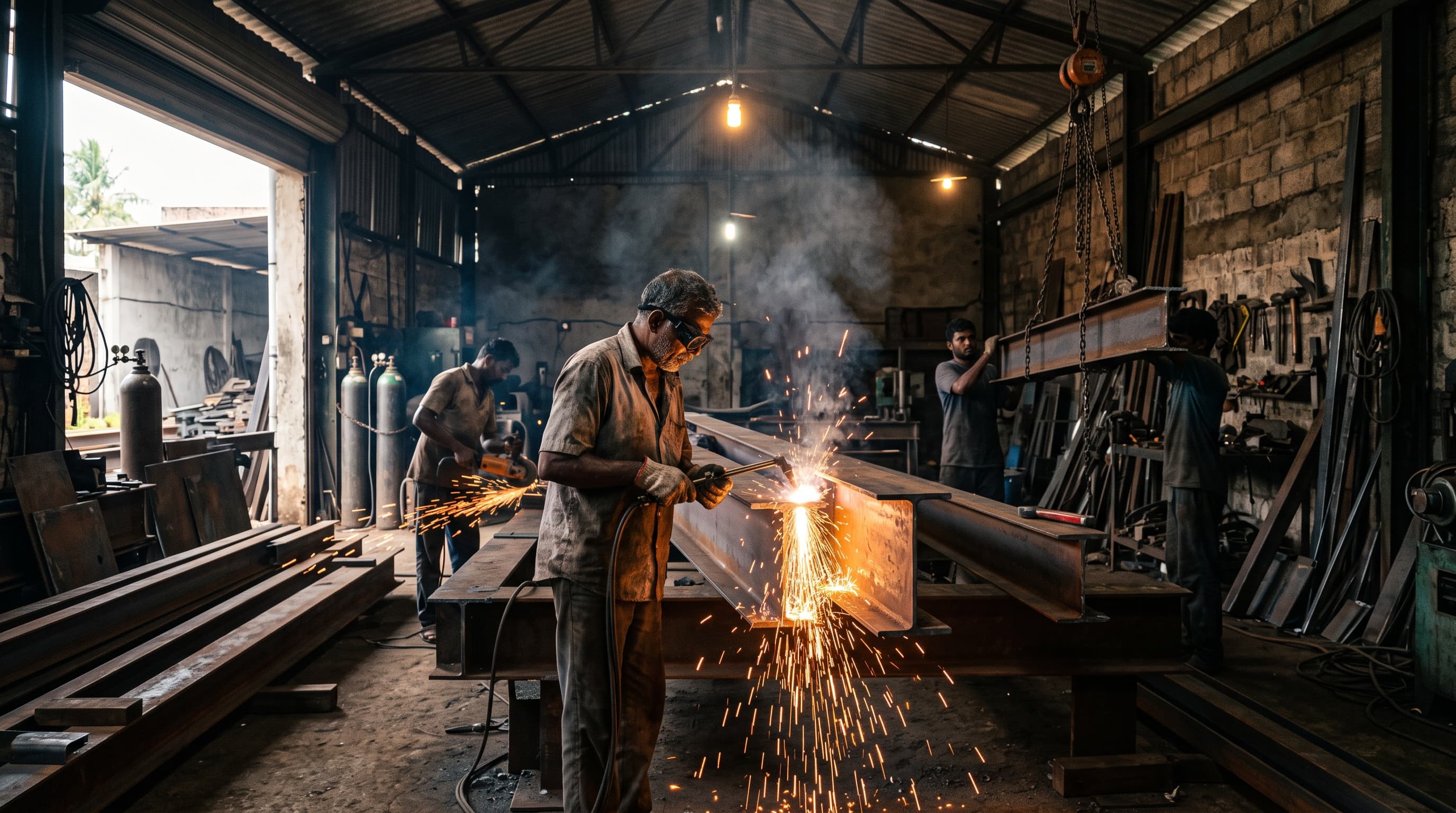
Step [05]05 / 07
Develop tooling, jigs, and fixtures to support accurate, repeatable manufacturing and assembly processes.
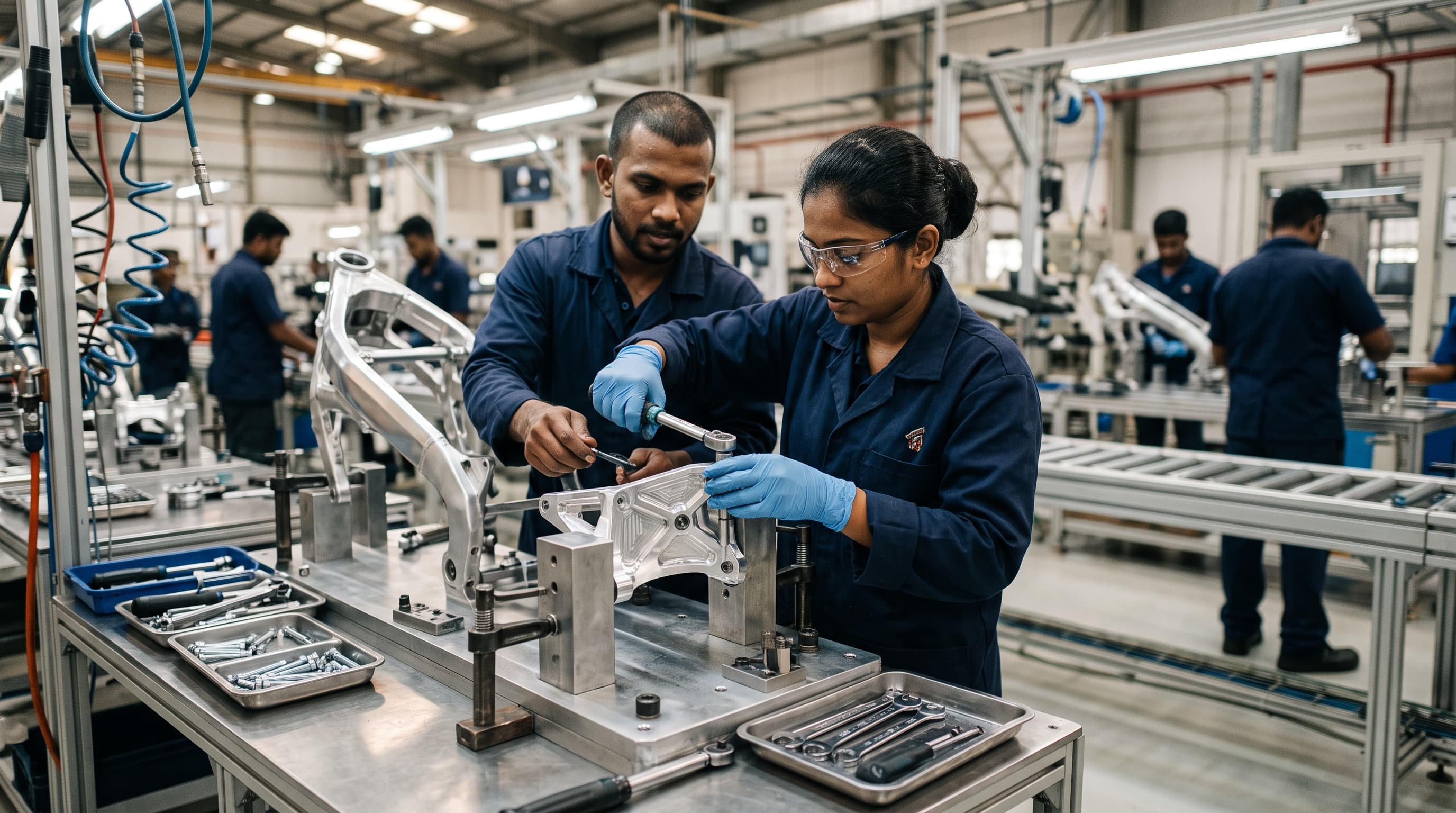
Step [06]06 / 07
Move from digital design to physical prototypes to evaluate fit, form, function, and manufacturing feasibility.
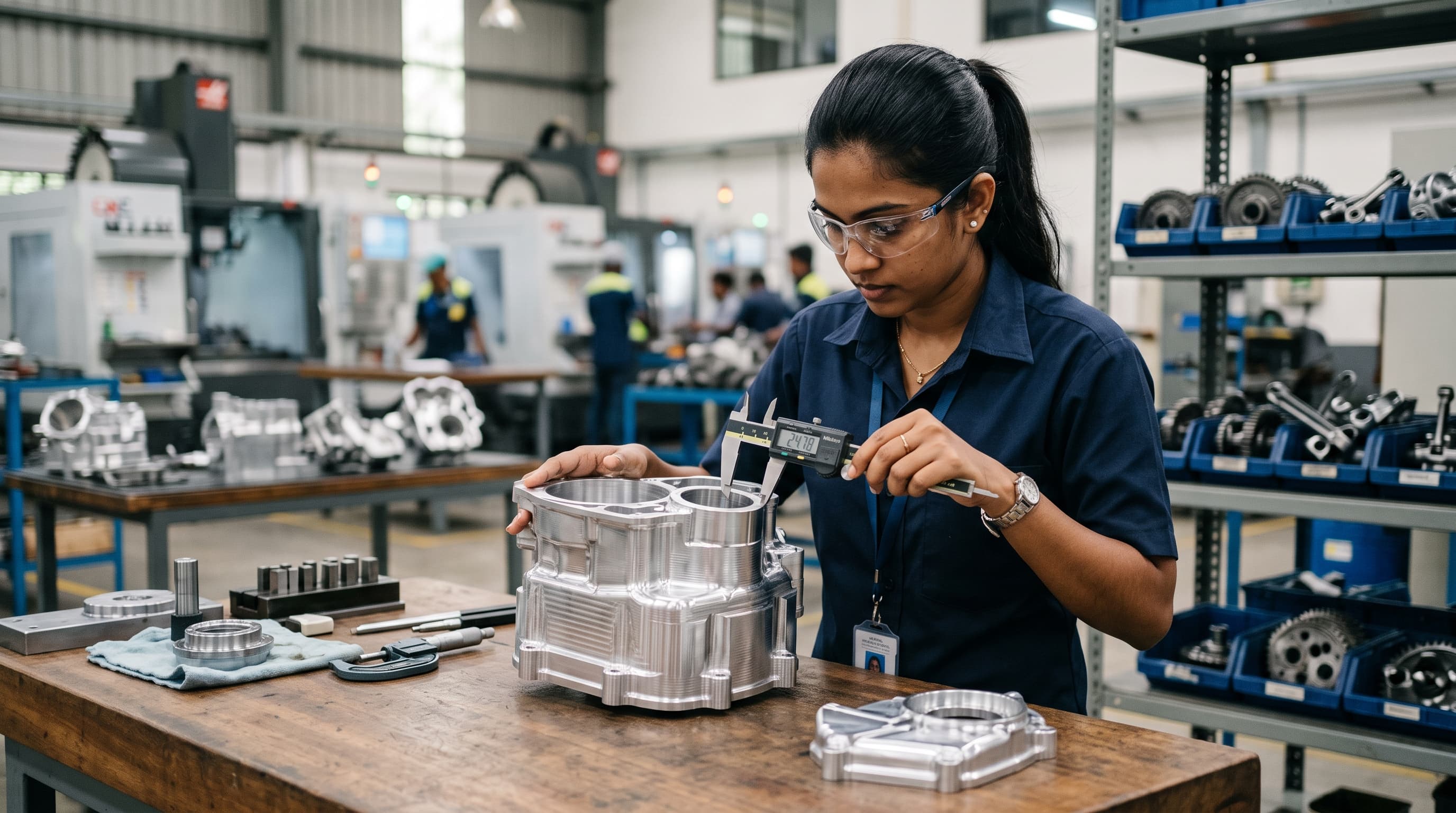
Step [07]07 / 07
Inspect the first manufactured component against specifications before further production.
From first concept to first inspected component, we help develop solutions that are practical to manufacture and aligned with the requirement.
02Understand. Recreate. Improve.
Sometimes the solution already exists — a component to recreate, a part without complete drawings, or a design to understand before further development.
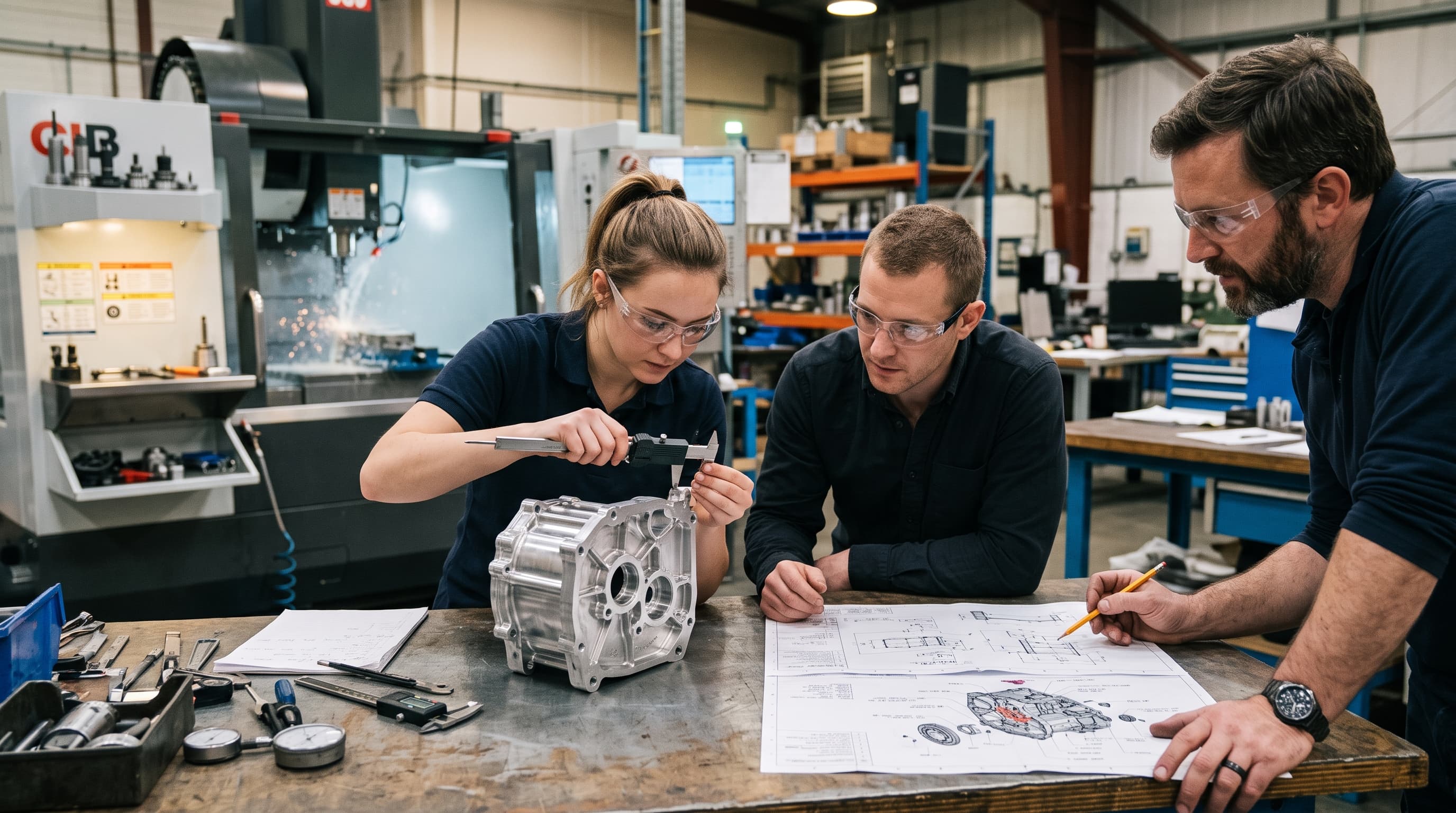
Reverse engineering turns physical components into usable engineering information, through 3D scanning, digital modelling, simulation and design evaluation.
Reverse engineering can help establish a digital reference for legacy components, support the recreation of parts, and provide a starting point for design improvements.
Our Reverse Engineering Capabilities
Capability[01]
Capture the geometry of existing components to support detailed digital analysis and reconstruction.
Capability[02]
Use physical samples as engineering references when developing digital representations of existing parts.
Capability[03]
Translate scanned geometric data into CAD models that can support design review, modification, and manufacturing preparation.
Capability[04]
Assess reconstructed or modified designs using appropriate simulation and engineering methods, where applicable.
Capability[05]
Explore ways to improve geometry, manufacturability or function while keeping the original application in view.
It connects physical products with the engineering information needed to understand, modify, and manufacture them.
03Surface Finishing Solutions
Surface finishing plays an important role in a component’s appearance, surface condition, and suitability for its intended application.
Through the Ekala facility, we finish metallic components — from powder coating to specialist electroplating — matched to the part, its application and the specified finish.
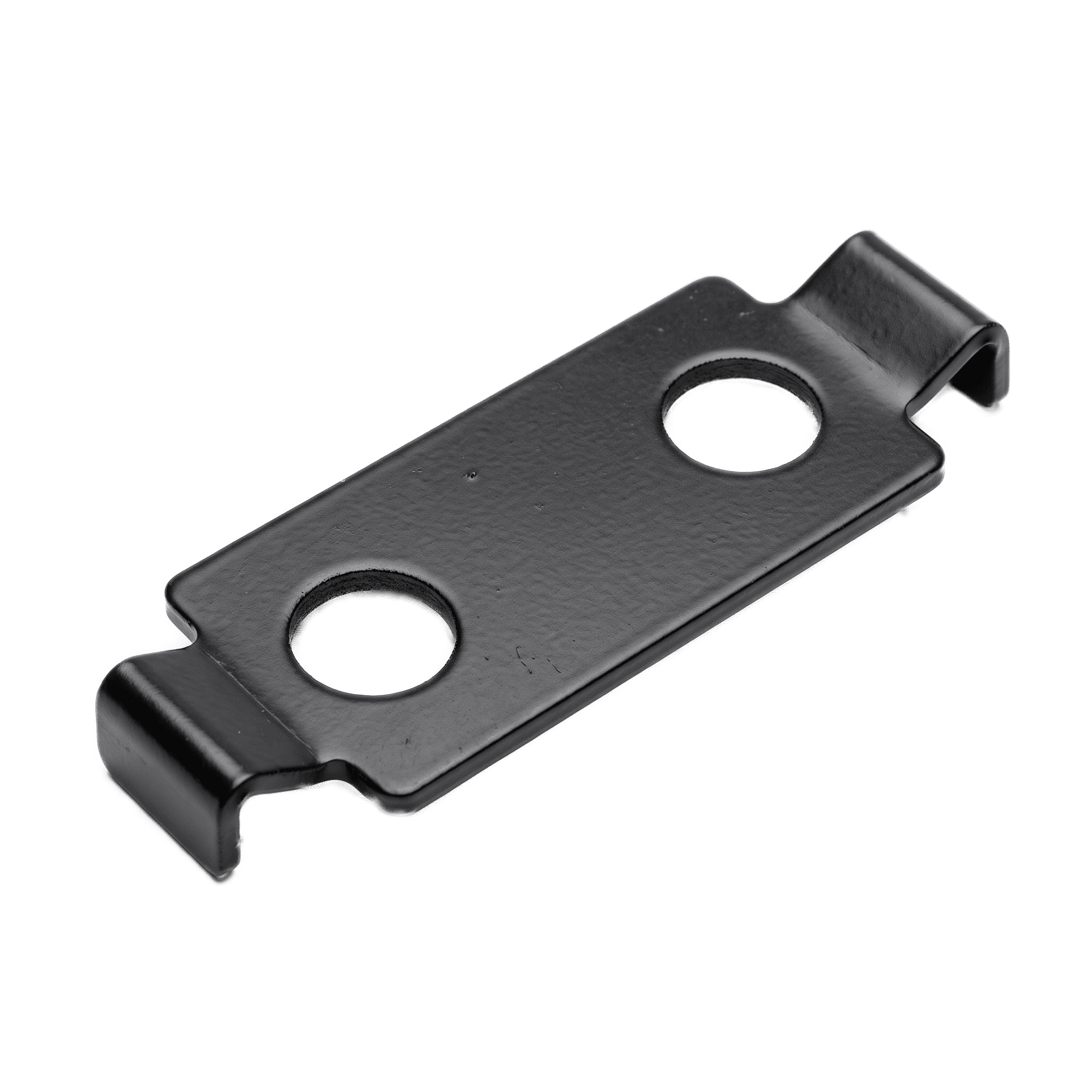
DurableUniform Finish
[01]
A durable, uniform coating for metallic components where appearance and finish matter.
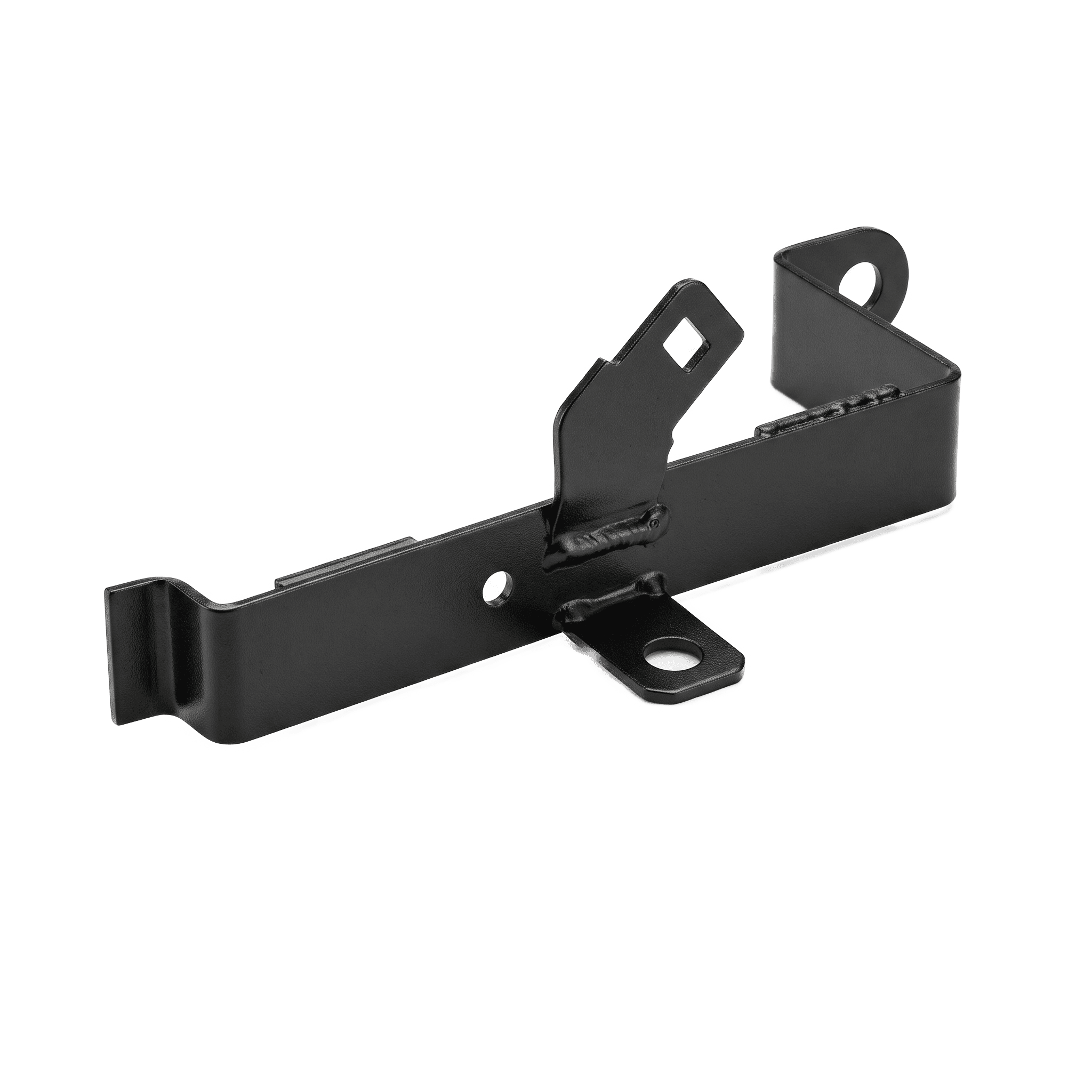
ElectrodepositionCoating
[02]
An electrodeposition process that coats suitable components to the required specification.
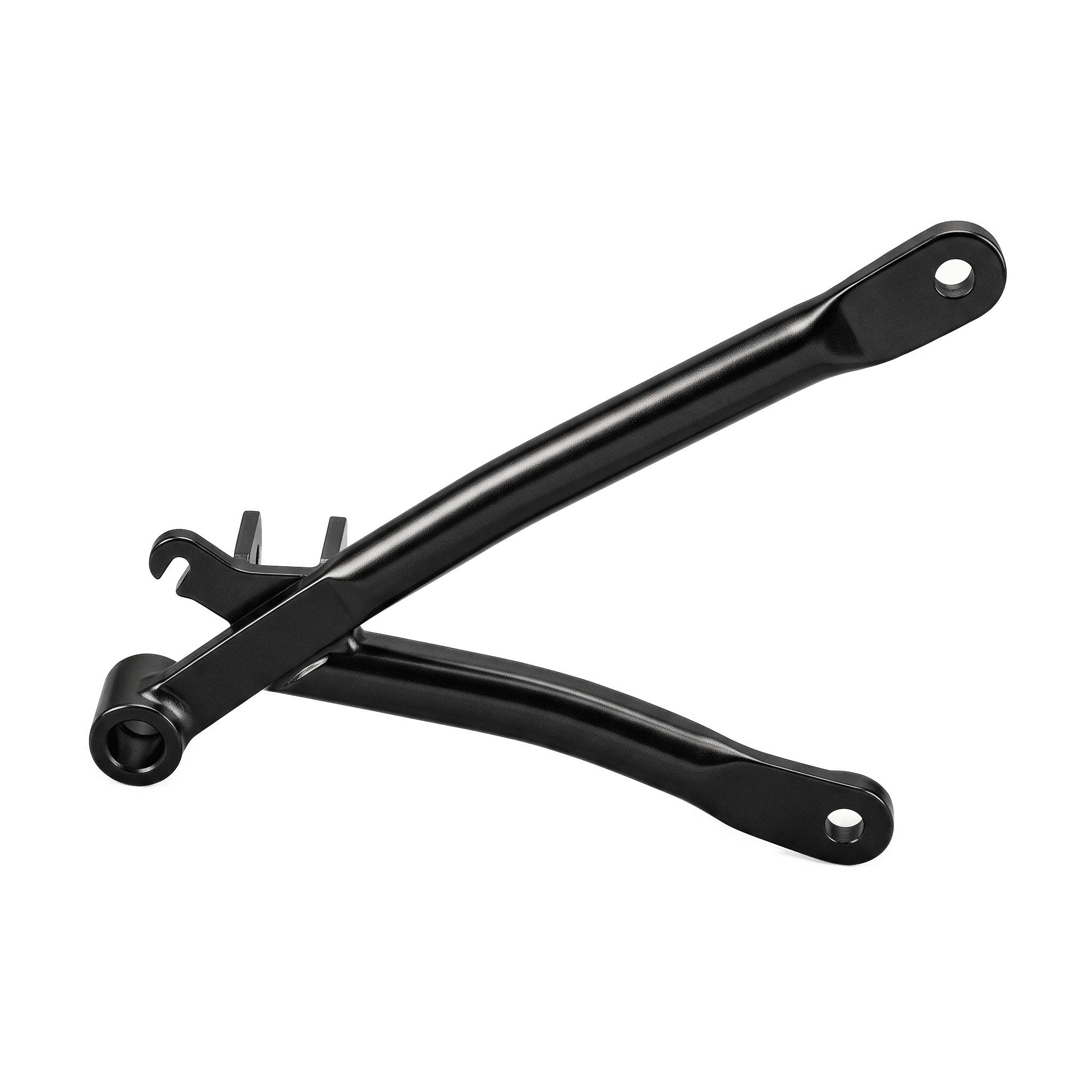
Black AppearanceCorrosion Protection
[03]
An electroplated black finish, specified where appearance and corrosion protection are required.
FunctionalSurface Properties
[04]
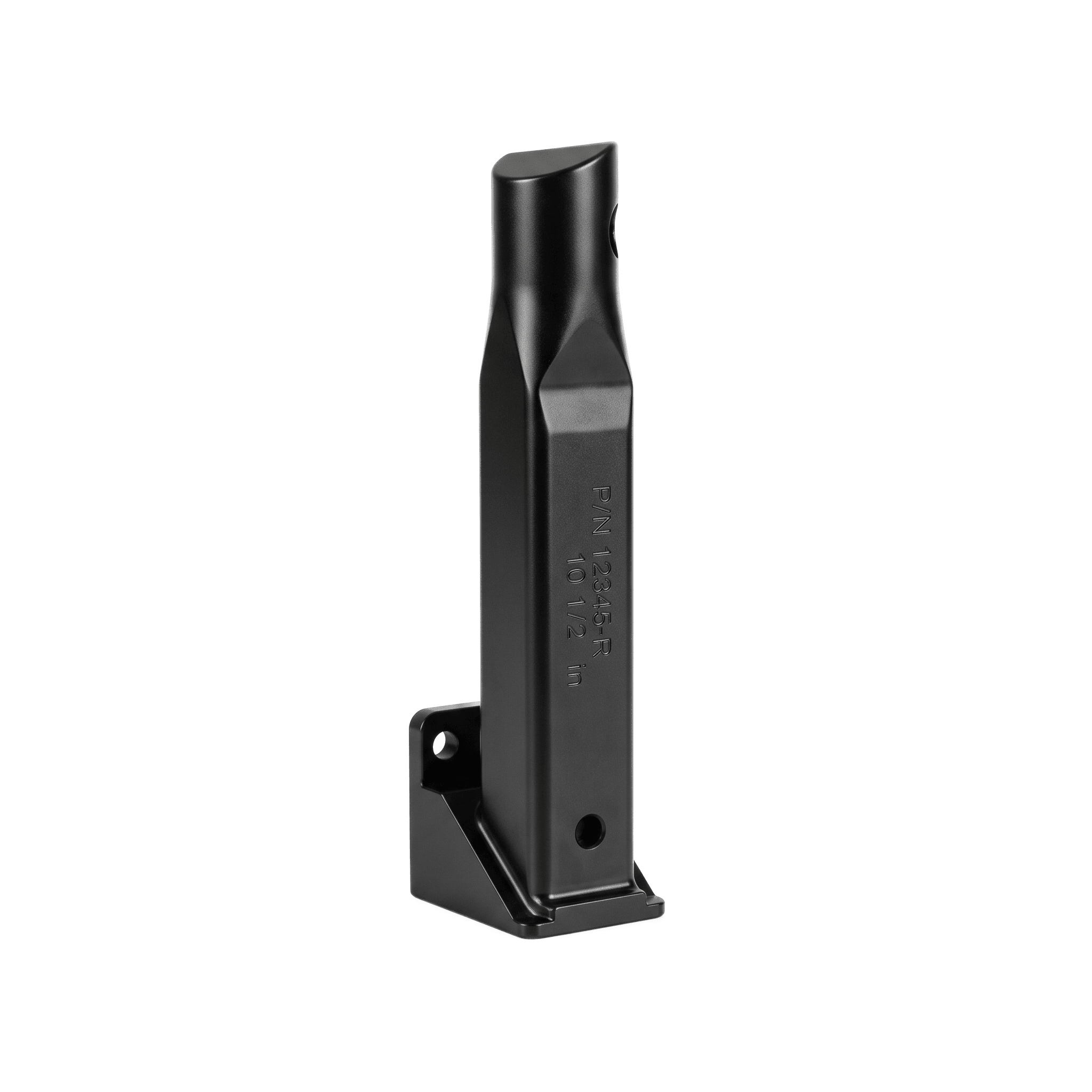
A chromium finish for applications that call for specified surface properties and a hard chromium surface.
A finish begins before coating or plating. The Ekala facility includes an 11-stage dip pre-treatment system that prepares components for finishing.
Appropriate pre-treatment and process control are important to supporting coating adhesion, surface consistency, and the performance requirements defined for each application.
The facility documentation also describes environmental management provisions, including:
These supporting systems form part of the facility’s approach to managing finishing processes and their associated environmental considerations.
The appropriate finish and process should be selected according to the component material, intended use, customer specifications, and applicable performance requirements.
04Engineering Meets Manufacturing
Engineering is most valuable when design decisions are connected to real manufacturing requirements.
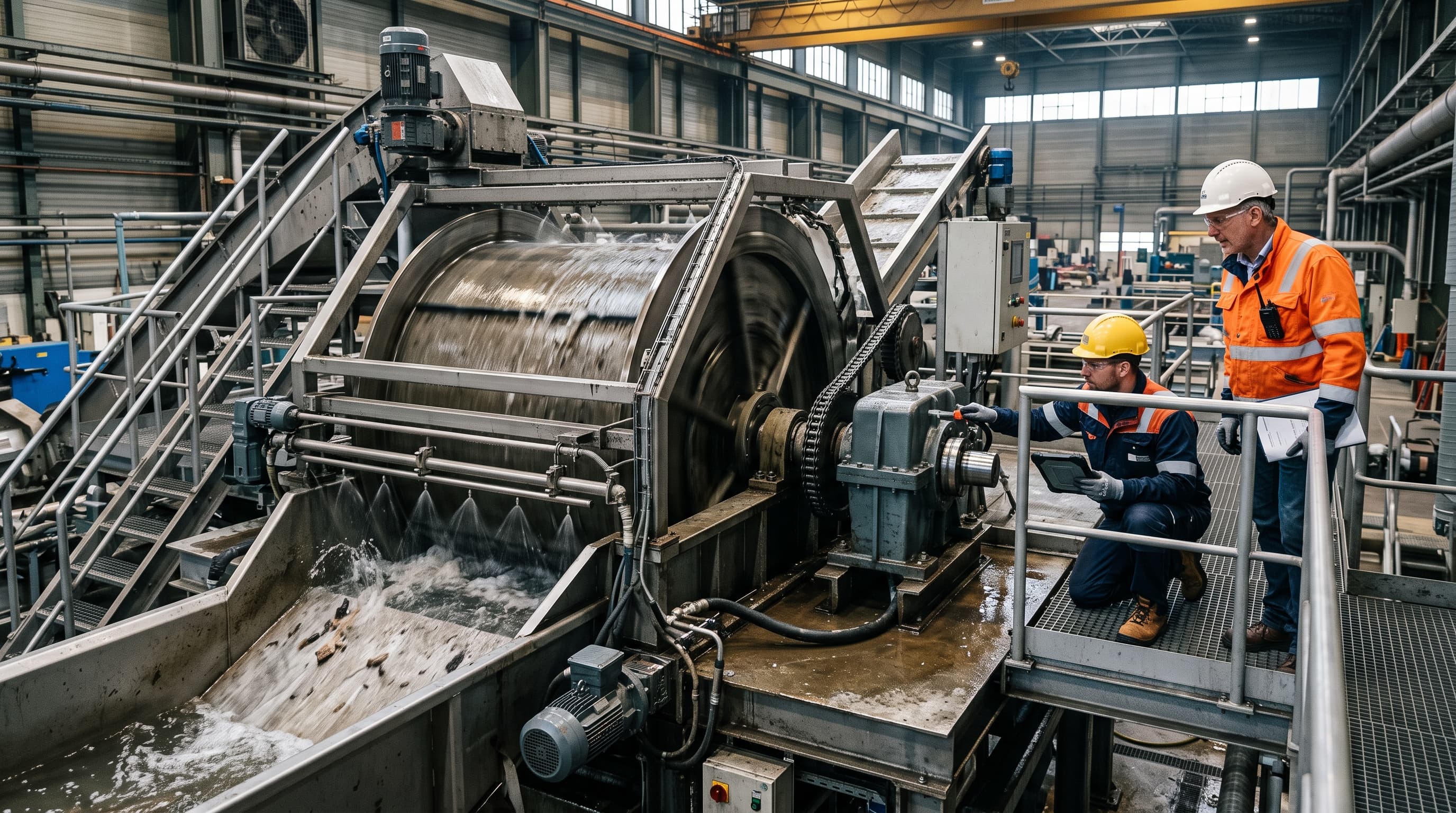
Our engineering services draw on manufacturing knowledge — how components are developed, prepared and produced — so manufacturability is considered early and the path to production is clearer.
Engineering, manufacturing and quality together give customers a clearer path from concept to production.
Engineering Capabilities & Quality
Our documented quality framework is based on ISO 9001:2015.
Identify requirements early, check conformity at each stage, and keep results consistent.
3D modelling and design for manufacture, into practical designs.
Virtual prototyping and analysis before physical production.
Jigs, fixtures and prototypes to prove fit and assembly.
3D scanning and point-cloud-to-CAD for digital models.
Coating and electroplating for metallic components.
Material certificates, calibrated instruments, and first-article and final inspection.
ISO
9001:2015
Documented Quality Framework